


Send Message
Privacy statement: Your privacy is very important to Us. Our company promises not to disclose your personal information to any external company with out your explicit permission.


An energy efficient refrigerated vehicle is a specialized cold chain transport solution designed to maintain precise temperature control while minimizing energy consumption and operational costs. Unlike traditional refrigerated trucks that rely heavily on fossil fuels for cooling, these vehicles integrate advanced thermal management systems directly into their powertrain architecture.
For logistics operators, the shift towards new energy refrigerated vehicles represents a critical step in reducing carbon footprints without compromising cargo integrity. By leveraging high-efficiency heat pumps, variable displacement compressors, and intelligent battery thermal management, these vehicles ensure consistent cooling performance even under extreme environmental conditions.
The core of this technology lies in its ability to manage both cabin comfort and cargo preservation simultaneously. This dual-functionality not only reduces the overall weight and complexity of the vehicle but also significantly lowers the total cost of ownership by extending battery range and reducing maintenance requirements.
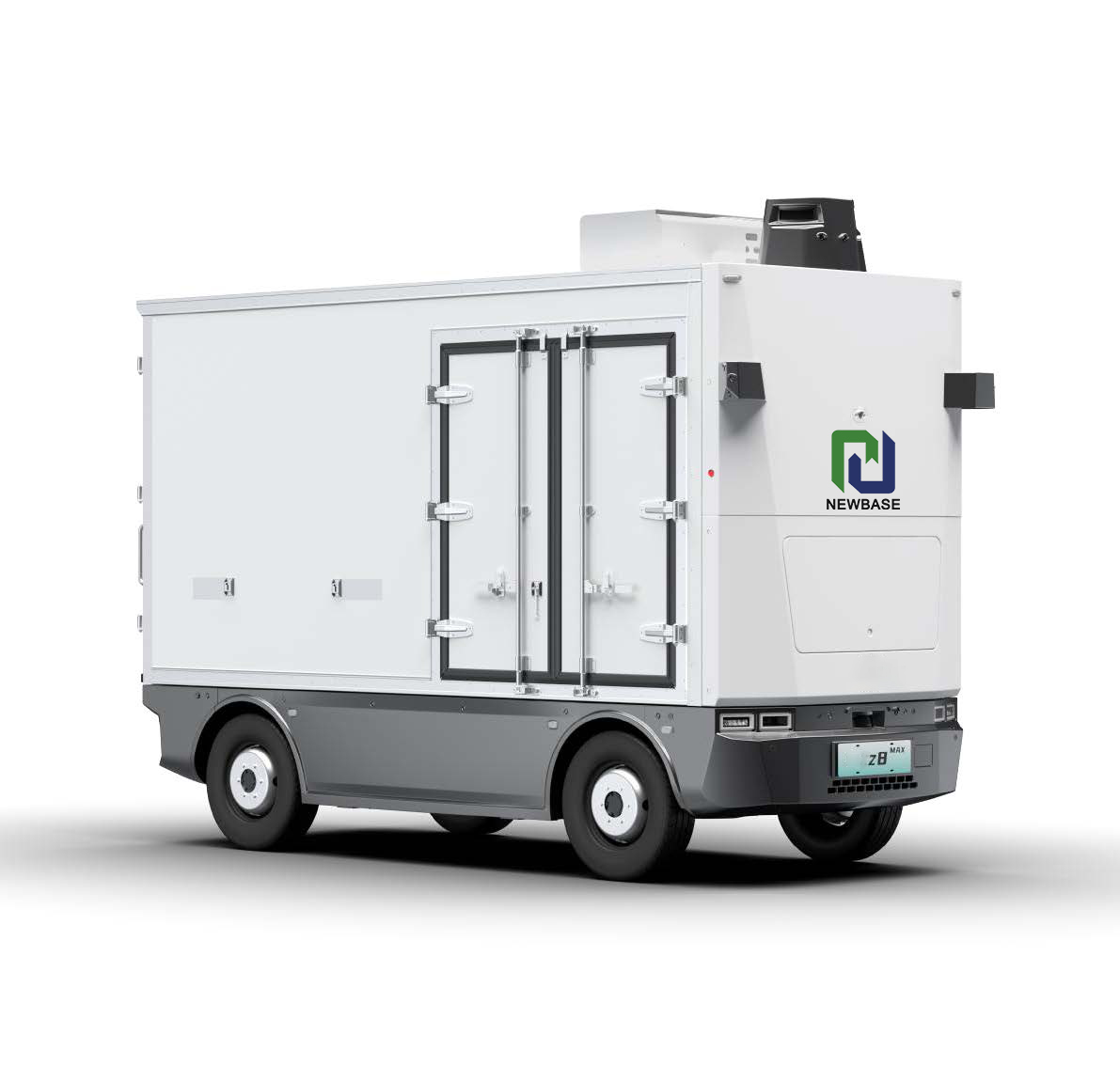
NewBase Auto Electronics stands as a premier "little giant" enterprise in China's automotive electronics sector. With a strategic transformation from Tier 1 supplier to Tier 0.5 complete machine manufacturer, we offer end-to-end solutions for new energy refrigerated vehicles.
Our comprehensive capabilities span from fundamental control technologies to full-chain ecosystem development. We provide integrated thermal management systems that cover air conditioning, defrosting, cabin radiators, and battery thermal management, ensuring your fleet operates at peak efficiency.
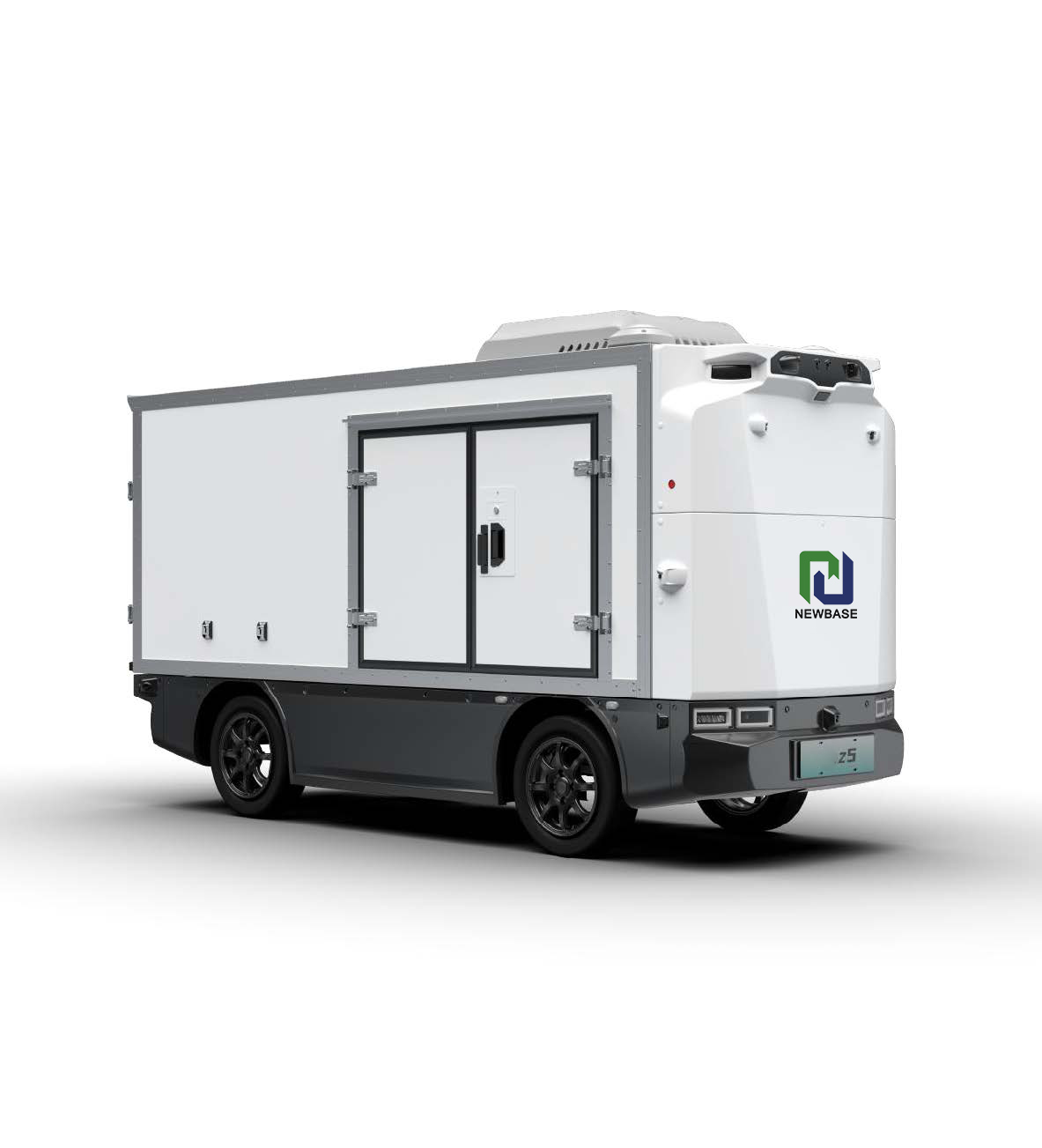
Our state-of-the-art facilities utilize Computer-Aided Engineering (CAE/CFD) simulations to validate thermal systems ranging from 3kW to 35kW before physical prototyping. This simulation-first approach drastically reduces development time and ensures optimal performance for every refrigerated vehicle unit.
Every component, from the compressor to the electronic expansion valve, undergoes rigorous testing to achieve IP67 protection ratings. This ensures dustproof and waterproof performance, allowing the system to operate reliably even in submerged or harsh environmental conditions.
We source premium components from industry leaders such as HIGHLY compressors, EBM fans, and Danfoss valves. Our vertically integrated supply chain allows us to maintain strict quality control over every stage of production, from raw materials to final assembly.
Selecting the appropriate thermal management system for your electric refrigerated transport requires careful consideration of several technical factors. The right choice impacts everything from payload capacity to operating costs.
Match the kW rating to your cargo volume and ambient conditions. Systems typically range from 18kW to 32kW, with higher capacities required for larger containers or extreme heat environments.
Decide between standalone AC units or integrated systems. Integrated solutions combine battery thermal management with cargo cooling, reducing weight by 20% and costs by 30%.
Prioritize full DC inverter technology. These systems adjust compressor speed dynamically, offering up to 30% weight reduction and significant energy savings compared to fixed-speed alternatives.
Verify IP67 Ratings: Ensure all electrical components meet IP67 standards for dust and water resistance.
Check Component Brands: Confirm the use of reputable brands for compressors, fans, and valves (e.g., HIGHLY, EBM, Danfoss).
Evaluate Control Logic: Look for smart PID control technology that balances cabin comfort and battery temperature precisely.
Assess Weight Savings: Verify if the system uses lightweight materials like SMC/LFT-D to maximize payload capacity.
Confirm EMC Compliance: Ensure the system meets national standard level I for electromagnetic compatibility.
Review Safety Protections: Check for over-voltage, over-current, and short-circuit protections in the DC-DC module.
Test Low-Temp Performance: Verify heating efficiency in temperatures as low as -10°C using air injection enthalpy increase technology.
Inspect Noise Levels: Ensure V-shaped shock absorption and silencer technologies are employed for quiet operation.
When evaluating potential partners for commercial vehicle thermal management, consider suppliers who demonstrate full-chain integration capabilities. A true partner should offer not just hardware, but comprehensive software support and data analytics.
Choose a supplier that controls the entire value chain, from underlying control algorithms to component manufacturing. This vertical integration ensures faster problem resolution and consistent quality.
Opt for a supplier with established branches and export experience in multiple countries. Global presence indicates reliability, standardized processes, and the ability to support international fleets.
Heat pump technology reverses the refrigeration cycle to provide heating, which is far more energy-efficient than resistive heating (PTC). In low-temperature environments (down to -10°C), our systems reduce average daily energy consumption by over 30% compared to standard heat pump air conditioners, significantly extending the vehicle's operational range.
Integrating battery thermal management with cargo cooling reduces system weight by 20% and costs by 30%. It allows for smarter energy distribution, where waste heat from one system can be utilized by another, optimizing overall vehicle efficiency and maximizing payload capacity.
Yes. Our systems are designed to be highly compatible with various commercial vehicle platforms, including pure electric, hybrid, and fuel cell buses. We offer flexible configurations for different bus lengths (6-12m) and can customize control interfaces to integrate seamlessly with existing vehicle CAN-bus systems.
The system features IP67-rated components that are dustproof, waterproof, and vibration-resistant. Additionally, our low-temperature air injection technology ensures reliable heating performance in cold climates, while advanced cooling loops prevent overheating in high-ambient temperature environments.
Privacy statement: Your privacy is very important to Us. Our company promises not to disclose your personal information to any external company with out your explicit permission.
Fill in more information so that we can get in touch with you faster
Privacy statement: Your privacy is very important to Us. Our company promises not to disclose your personal information to any external company with out your explicit permission.