


Send Message
Privacy statement: Your privacy is very important to Us. Our company promises not to disclose your personal information to any external company with out your explicit permission.


A portable power station is a compact, battery-based energy storage unit designed to provide reliable electricity on the go. While Zhengzhou Newbase Auto Electronics Co., Ltd. specializes in advanced thermal management systems for commercial vehicles, our expertise in high-efficiency battery integration and intelligent control translates directly to robust portable power solutions.
These units serve as versatile lifelines for outdoor adventures, emergency backups, and mobile workspaces. They combine lithium-ion battery packs with pure sine wave inverters to safely power sensitive electronics, from laptops and medical devices to camping gear and construction tools. By leveraging our experience in new energy thermal management, we ensure these stations maintain optimal performance and safety under various conditions.
Whether you need to keep lights on during a blackout or charge devices at a remote job site, a portable power station offers clean, silent, and convenient energy access without the noise and emissions of traditional generators.
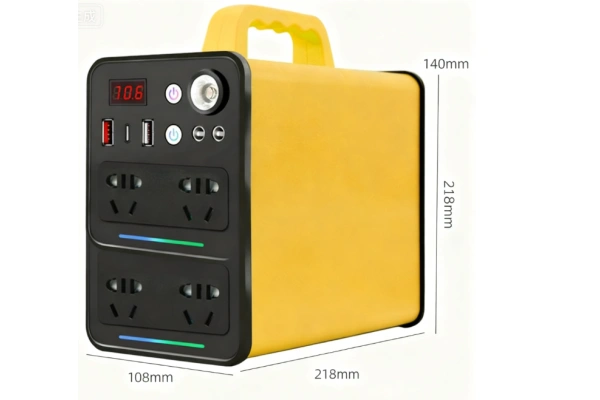
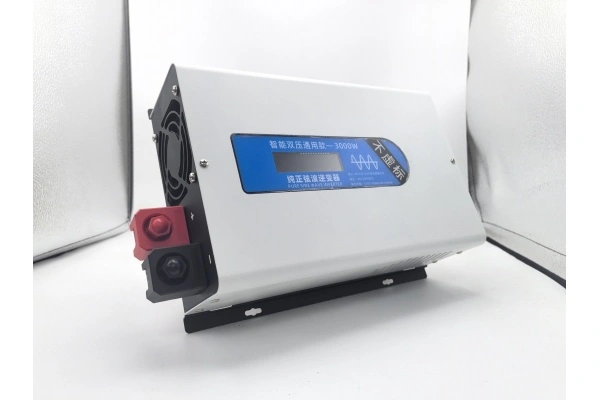
Our manufacturing process leverages the same rigorous standards applied to commercial vehicle thermal systems. As a national "little giant" enterprise, we prioritize precision engineering and comprehensive testing. Every component undergoes strict validation to ensure durability and consistent performance in demanding environments.
Selecting the ideal portable power station requires matching your specific energy needs with the right capacity and features. Consider the following key factors to ensure you invest in a solution that provides reliable power when you need it most.
Calculate the total wattage of the devices you plan to power. Add up the starting watts (surge power) and running watts for each appliance. Choose a station with a continuous output rating that exceeds your highest single-device requirement to avoid overload.
Capacity, measured in watt-hours (Wh), determines how long the station can power your devices. For light usage like charging phones, a smaller unit suffices. For running refrigerators or power tools, opt for higher capacity models with efficient battery chemistry.
Look for fast-charging capabilities via AC, solar, or car outlets. Ensure the station has the necessary ports (AC, USB-C PD, DC, 12V) for your equipment. Solar charging compatibility is crucial for off-grid applications.
Choose units with built-in Battery Management Systems (BMS) that protect against overcharge, over-discharge, short circuits, and temperature extremes. Certifications like CE, FCC, and RoHS indicate compliance with global safety standards.
Use this checklist to evaluate potential suppliers and products. Ensuring these criteria are met will help you secure a reliable, safe, and cost-effective portable power solution.
Understanding common issues with portable power stations can save time and prevent costly mistakes. Here are frequent challenges buyers face and how to address them effectively.
Solution: Check if you're powering high-surge devices beyond the station's peak wattage. Also, verify that parasitic loads (like LED displays) aren't draining the battery unnecessarily. Use Eco-mode if available.
Solution: Ensure you're using the correct charger adapter. If using solar, verify panel wattage matches input limits and check for shading or angle issues. AC charging is typically faster than solar in low-light conditions.
Solution: Place the unit in a well-ventilated area away from direct sunlight. Avoid covering vents. High ambient temperatures can trigger thermal protection, reducing output until the unit cools down.
Solution: Reset the unit by turning it off and disconnecting all loads. Reconnect devices one by one to identify problematic appliances. Some sensitive electronics may require a pure sine wave inverter.
Solution: This indicates cell degradation or damage. Stop use immediately and contact the supplier for warranty service. Never attempt to open or repair swollen batteries yourself due to safety risks.
Solution: Clean port contacts with compressed air. Check for physical damage or debris. If a specific port fails, rely on backup ports (e.g., switch from USB-C to AC outlet) while seeking repair.
Portable power stations are indispensable across various sectors, providing reliable energy where grid power is unavailable or unreliable. Our solutions are engineered to meet the diverse demands of these applications.
Essential for camping, RV trips, and tailgating. Powers lighting, coolers, drones, and entertainment systems silently, enhancing the outdoor experience without generator noise.
Critical for homes and businesses during power outages caused by storms or natural disasters. Keeps communication devices, medical equipment, and essential appliances running.
Ideal for construction sites, film sets, and field surveys. Provides stable power for tools, laptops, and cameras, enabling productivity in remote locations without fuel costs.
Supports auxiliary power for fleet vehicles, reducing idle time and fuel consumption. Powers onboard systems for logistics, patrol, and sightseeing vehicles efficiently.
As a leader in new energy thermal management and electronic control systems, Zhengzhou Newbase brings unparalleled expertise to portable power station manufacturing. Our strategic shift to Tier 0.5 complete machine R&D positions us as a unique partner for high-quality, innovative power solutions.
Backed by 40,000 sqm of production bases and advanced CAE/CFD simulation capabilities, we engineer products with superior efficiency and reliability.
We utilize top-tier brands like HIGHLY compressors, Danfoss valves, and EBM fans, ensuring every component meets automotive-grade standards.
With branches in major Chinese cities and export plans to over ten countries, we offer reliable global support and logistics for large-scale orders.
Most high-quality portable power stations last between 5 to 10 years, depending on usage frequency and maintenance. Lithium-ion battery cells typically endure 500-1000 full charge cycles before capacity drops below 80%. Proper storage in cool, dry conditions and avoiding deep discharges can significantly extend lifespan.
Yes, but you must ensure the station's continuous wattage exceeds the refrigerator's running watts and its peak wattage handles the startup surge. Compressor-style refrigerators have high surge requirements. Look for stations with "X-Boost" or similar surge-handling technology. Smaller 12V DC fridges are more efficient and easier to run.
Modern units with Battery Management Systems (BMS) can safely remain plugged in, automatically regulating charge levels. However, for long-term storage, it's recommended to keep the battery at 50-80% charge and unplug it. Periodically check and recharge every 3-6 months to prevent deep discharge.
Charging time varies by model and method. AC wall charging typically takes 4-8 hours for standard units. Fast-charging models can reach 80% in under an hour. Solar charging depends on panel wattage and sunlight intensity, usually taking 6-12 hours for full charge with adequate solar input.
Key certifications include CE (European safety), FCC (electromagnetic compatibility), RoHS (hazardous substances restriction), and UN38.3 (battery transport safety). These ensure the product meets international standards for safety, environmental compliance, and reliable performance.
Privacy statement: Your privacy is very important to Us. Our company promises not to disclose your personal information to any external company with out your explicit permission.
Fill in more information so that we can get in touch with you faster
Privacy statement: Your privacy is very important to Us. Our company promises not to disclose your personal information to any external company with out your explicit permission.