


Send Message
Privacy statement: Your privacy is very important to Us. Our company promises not to disclose your personal information to any external company with out your explicit permission.


A truck DC power inverter is an essential component of modern commercial vehicle electrical systems, converting the vehicle's direct current (DC) battery power into alternating current (AC) to operate standard appliances, onboard electronics, and auxiliary equipment. For fleet managers and procurement specialists, understanding the inverter's role is critical for maintaining operational continuity, driver comfort, and cargo integrity during long-haul transport.
In the context of advanced thermal management and vehicle electrification, high-quality inverters ensure stable power delivery to cooling systems, refrigeration units, and smart monitoring devices. This stability reduces downtime and prevents costly damage to sensitive electronic components, ultimately lowering your total cost of ownership.
Our manufacturing process for truck DC power inverters adheres to the highest industry standards, leveraging our status as a national "little giant" enterprise. With over 40,000 square meters of production facilities across Zhengzhou, Jiaozuo, and Huangshan, we ensure consistent quality at scale.
Every inverter undergoes rigorous testing, including EMC performance verification to meet national Level I standards, ensuring protection against electromagnetic interference. Our IP67-rated components guarantee dust and water resistance, vital for harsh automotive environments.
We utilize premium components such as Highly DC Inverter Compressors and Copeland scroll compressors, sourced from trusted global suppliers, to ensure reliability and longevity. Our integrated control technology allows for precise management of power distribution, enhancing system efficiency and safety.
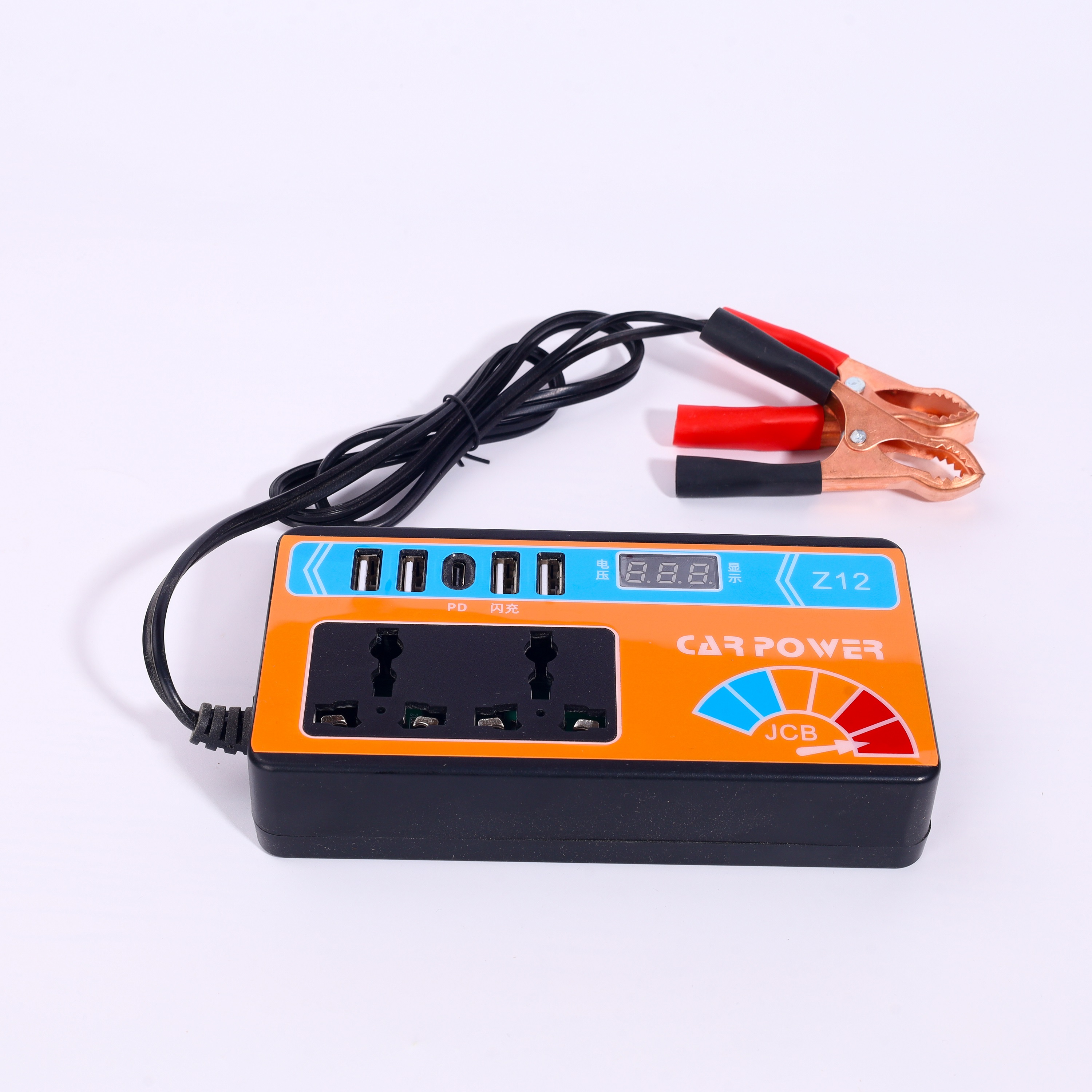

Selecting the optimal truck DC power inverter requires a thorough evaluation of your specific operational needs. Key factors include power capacity, voltage compatibility, efficiency ratings, and integration capabilities with existing vehicle systems.
Power Capacity: Ensure the inverter can handle the peak load of all connected accessories, including refrigeration units, HVAC systems, and onboard computers. Overloading can lead to system failure and reduced lifespan.
Efficiency and Heat Management: High-efficiency inverters generate less heat, reducing the need for additional cooling and saving energy. Look for models with advanced thermal management features to maintain performance in extreme temperatures.
Integration and Control: Modern inverters should offer smart connectivity options, allowing for remote monitoring and diagnostics. Integration with your vehicle's central control system simplifies maintenance and enhances overall fleet management.
Use this checklist to evaluate potential suppliers and products, ensuring you make an informed decision that aligns with your fleet's requirements and budget.
Procurement teams often encounter specific challenges when integrating inverters into commercial vehicles. Addressing these issues proactively can prevent costly delays and operational disruptions.
Problem: Inverters failing due to excessive heat buildup, especially in hot climates or enclosed spaces.
Solution: Opt for inverters with advanced thermal management systems, such as those using variable frequency control and optimized fan designs. Ensure adequate ventilation around the installation site.
Problem: EMI causing disruption to nearby electronic systems, leading to data errors or system failures.
Solution: Select inverters that comply with strict EMC standards (Level I or higher). Proper grounding and shielding during installation are also crucial to mitigate interference.
Problem: Low efficiency leading to higher energy consumption and increased operating costs.
Solution: Invest in high-efficiency inverters with pure sine wave output. Regular maintenance and firmware updates can also help maintain optimal performance levels.
Problem: Difficulty integrating new inverters with existing vehicle architectures and control systems.
Solution: Choose suppliers who offer comprehensive integration support and customizable solutions. Modular designs facilitate easier upgrades and replacements.
Truck DC power inverters are versatile components used across various sectors, enabling the operation of critical onboard systems and enhancing driver comfort and cargo safety.
Stable power supply is essential for refrigeration units to maintain temperature-sensitive goods. Our inverters ensure consistent performance, reducing the risk of spoilage and financial loss.
Self-driving trucks rely heavily on powerful and reliable inverters to manage sensor arrays, computing units, and communication systems. High efficiency and low latency are key requirements here.
For passenger buses and luxury coaches, inverters power HVAC systems, entertainment centers, and lighting. Quiet operation and high reliability are paramount for customer satisfaction.
Mobile clinics, survey vehicles, and command centers require robust power solutions to support specialized equipment. Our inverters provide the flexibility and power density needed for these applications.
As fleets transition to electric and hybrid powertrains, efficient power conversion becomes even more critical. Our inverters are designed to integrate seamlessly with modern EV architectures.
Harsh environments demand durable inverters with high protection ratings. Our IP67-rated products withstand dust, water, and vibration, ensuring reliable operation in challenging conditions.
Choosing the right supplier is as important as choosing the right product. We recommend evaluating potential partners based on their technological prowess, manufacturing scale, and market reputation.
Why Choose Them: As a national "little giant" enterprise, NewBase offers fully self-developed underlying control technology. Their extensive experience in thermal management and electronic control makes them a leader in the industry.
Key Strengths:
Why Consider Them: Sourcing inverters built with components from globally recognized brands ensures high quality and reliability. Partnerships with companies like Danfoss, Sanhua, and Copeland add value.
Key Strengths:
A pure sine wave inverter produces electricity that closely mimics the clean power from a wall outlet, making it safe for sensitive electronics like medical equipment, laptops, and modern HVAC systems. A modified sine wave inverter is cheaper but can cause overheating or malfunction in sensitive devices. For commercial vehicles, pure sine wave is recommended.
Calculate the total wattage of all devices you plan to run simultaneously. Add a 20-25% buffer to account for startup surges, especially for motors and compressors. For example, if your total load is 2000W, choose an inverter rated for at least 2500W.
Yes, but they must be specifically designed for EV architectures. These inverters often integrate with the vehicle's high-voltage battery system and require sophisticated control protocols. Our inverters are engineered for seamless integration with new energy vehicle platforms.
Modern inverters are largely maintenance-free. However, regular inspections of cooling fans, connections, and firmware updates are recommended. Ensuring proper ventilation and keeping the unit clean from dust and debris will extend its lifespan significantly.
While some smaller units can be DIY installed, professional installation is strongly recommended for larger, high-power inverters. Improper installation can lead to electrical hazards, void warranties, and cause system failures. Our suppliers often provide installation guides or certified installer networks.
Privacy statement: Your privacy is very important to Us. Our company promises not to disclose your personal information to any external company with out your explicit permission.
Fill in more information so that we can get in touch with you faster
Privacy statement: Your privacy is very important to Us. Our company promises not to disclose your personal information to any external company with out your explicit permission.