


Send Message
Privacy statement: Your privacy is very important to Us. Our company promises not to disclose your personal information to any external company with out your explicit permission.


An outdoor mobile power supply is a portable energy storage system designed to provide reliable electricity for camping, RV trips, emergency backup, and off-grid applications. These units typically house high-capacity lithium-ion battery cells, an integrated inverter, and multiple output ports (AC, DC, USB) to power everything from small electronics to heavy-duty appliances.
Modern mobile power stations have evolved beyond simple battery packs. They now feature smart Battery Management Systems (BMS) that protect against overcharging, short circuits, and overheating. Whether you need a compact unit for weekend glamping or a high-capacity system for extended expeditions, understanding the core specifications—capacity, output wattage, and recharge time—is essential for making the right choice.
Selecting the right outdoor mobile power supply ensures your devices stay charged and your outdoor experience remains uninterrupted.
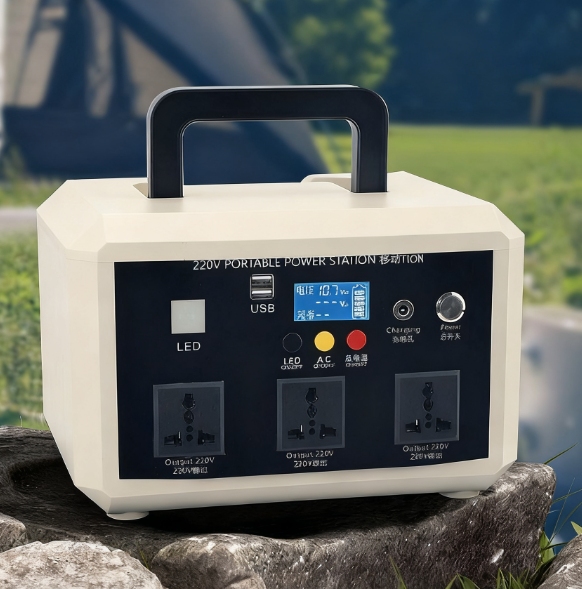
Our outdoor mobile power supplies are built with premium LiFePO4 (Lithium Iron Phosphate) batteries, offering a lifespan of up to 3,000 charge cycles while maintaining 80% capacity. This means years of reliable use without the degradation common in older battery technologies.
The pure sine wave inverters ensure safe charging for sensitive electronics like laptops, cameras, and medical devices. With outputs ranging from 300W to 3000W+, our systems cater to both light travelers and serious off-grid enthusiasts.
Recover up to 80% charge in just 1-2 hours using AC fast charging. Solar input options allow for indefinite off-grid operation, making these units perfect for long-term camping or emergency preparedness.
Advanced BMS monitors voltage, current, and temperature in real-time. Features include over-voltage protection, short-circuit prevention, and thermal management to extend battery life and ensure user safety.
Equipped with AC outlets, 12V DC ports, USB-A, and USB-C PD ports. Charge multiple devices simultaneously without needing multiple adapters, simplifying your outdoor setup.
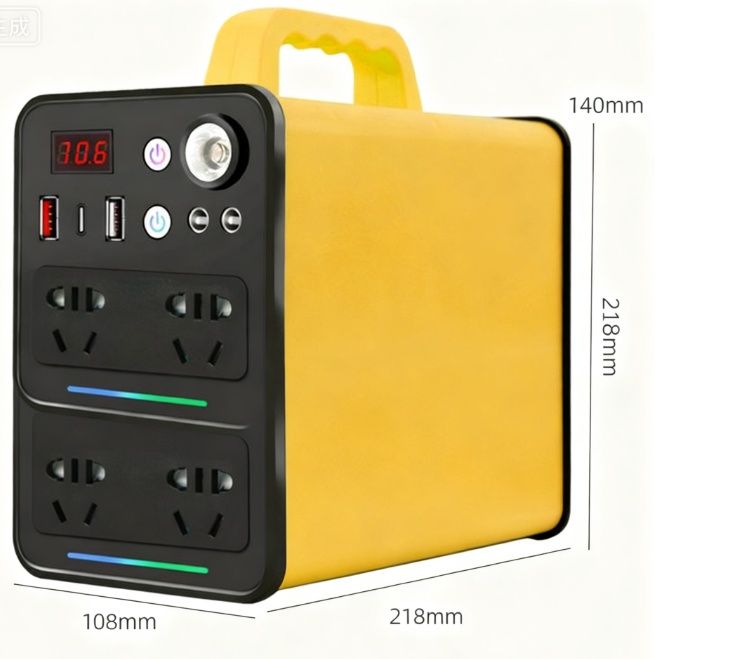
Every outdoor mobile power supply undergoes stringent testing protocols before leaving the factory. We utilize automated assembly lines and precision testing equipment to ensure consistency across every unit produced.
Our manufacturing process adheres to international standards, including ISO 9001 quality management. Each battery cell is individually tested for capacity and internal resistance, ensuring balanced performance within the pack.
We source components from top-tier global suppliers. High-quality MOSFETs, capacitors, and battery cells from reputable manufacturers guarantee long-term durability and efficient power conversion.
Products pass rigorous tests for drop resistance, vibration, temperature extremes, and electrical safety. Certifications such as CE, FCC, and RoHS confirm compliance with global safety and environmental regulations.
Selecting the ideal mobile power station depends on your specific power needs, usage scenarios, and budget. Consider the following key factors to ensure you invest in a system that meets your requirements.
Calculate the total wattage of the devices you plan to power. For example, a laptop requires ~60W, while a mini-fridge may need 100W continuous. Choose a power station with a continuous output rating higher than your total load to handle startup surges.
Capacity is measured in Watt-hours (Wh). A 500Wh unit can theoretically run a 50W device for 10 hours (accounting for efficiency losses, expect ~8 hours). Match the capacity to your expected usage duration.
Higher capacity means more weight. If you need a lightweight option for hiking, consider 200-500Wh models. For RVs or home backup, opt for 1000Wh+ units with handles or wheels.
Look for dual-input capabilities: AC wall charging for home use and solar panel compatibility for off-grid adventures. Some models support car charging (12V DC) for quick top-ups on the road.
Use this checklist to evaluate potential outdoor mobile power supply purchases and ensure you don't overlook critical features.
When sourcing outdoor mobile power supplies in bulk, partnering with a manufacturer that offers comprehensive support is crucial. Here are key recommendations for buyers evaluating potential suppliers.
Choose a supplier that offers customization services, including branding, packaging design, and firmware adjustments. This allows you to build a unique brand identity and tailor products to specific market needs.
Ensure the supplier has a robust supply chain for critical components like battery cells and inverters. Ask about lead times and inventory levels to avoid delays in your procurement cycle.
A good supplier provides detailed technical documentation, marketing assets, and after-sales support. This reduces the burden on your team and enhances customer satisfaction for end-users.
Verify that the manufacturer can scale production to meet your growing demand. Look for facilities with modern assembly lines and quality control processes that maintain consistency at volume.
Mobile power stations are versatile solutions used across various industries and outdoor activities. Their ability to provide clean, quiet power makes them indispensable in modern lifestyles.
Power lights, fans, cooking appliances, and entertainment systems without relying on noisy generators or limited campsite hookups. Ideal for boondocking and remote sites.
Keep essential devices like phones, routers, and medical equipment running during power outages. Provides peace of mind and reliability during natural disasters.
Provide silent, emission-free power for lighting, audio equipment, and camera gear at outdoor events, weddings, or film shoots where grid access is unavailable.
Serve as part of a renewable energy system for cabins, tiny homes, or remote workstations. Pair with solar panels for sustainable, independent power generation.
Power tools, communication devices, and site lighting in remote construction zones. Reduces reliance on diesel generators, lowering fuel costs and noise pollution.
Charge navigation electronics, fish finders, and comfort appliances on boats. Safe for marine environments with proper waterproofing and corrosion resistance.
LiFePO4 (Lithium Iron Phosphate) batteries offer a significantly longer lifespan (up to 3,000 cycles) compared to standard Lithium-ion (500-800 cycles). They are also safer, with lower risk of thermal runaway, making them the preferred choice for durable and safe outdoor mobile power supplies.
Yes, most modern models support pass-through charging. This allows you to charge the unit from a wall outlet or solar panel while simultaneously powering your devices. However, check the manual for specific limitations to optimize battery health.
Self-discharge rates vary by model. Generally, a fully charged unit can retain 70-80% of its charge after 3-6 months. It's recommended to recharge every 3-6 months if storing for extended periods to maintain battery health.
Avoid connecting high-wattage resistive loads like hair dryers, space heaters, or electric kettles unless the unit is specifically rated for them. These devices often draw more power than typical portable stations can handle and may trigger overload protection.
Yes, they are completely safe for indoor use as they produce no emissions, fumes, or noise. They are excellent for indoor emergency backup during blackouts. However, ensure adequate ventilation if charging in enclosed spaces.
Privacy statement: Your privacy is very important to Us. Our company promises not to disclose your personal information to any external company with out your explicit permission.
Fill in more information so that we can get in touch with you faster
Privacy statement: Your privacy is very important to Us. Our company promises not to disclose your personal information to any external company with out your explicit permission.